Category Archives: Poetry

14. The Beginning of War

an epic poem by Thomas Davis

I.

Sshruunak fled high into the winter skies.
He left the concave as his blood raged fear,
Leaped from the nearest ledge into the air
And blindly flew toward the mountain peaks,
His black wings driven down so fiercely hard
He rose and rose until the air was thinner
Than what his lungs could gulp into his hearts.

His thoughts kept singing, Ssruann! Ssruann!
The dragon witch! The witch that ruled his tongue!
And made it so he could not think or speak.

At last, his head so light from lack of air
His dizziness buzzed weakness in his wings,
He wheeled toward the peaks, in moonlight, far
Below him, silver shining light on snow.
He drifted, thoughtless, like a shadow stained
In darkness of the dark beyond the moon,
Then saw, far off, long down the mountain slopes,
A fire built by a human fighting cold.

He did not think, but moved his long, dark wings
And let his rage stoke furnaces inside
His hearts. Humiliation was a fire
That violent death would turn to triumph born
When dragons ruled the earth with claws and fire!
He rumbled deep inside his chest and roared!

II.

Ruarther felt as if he’d fought a war.
He looked at Cragdon’s haggard face and grimaced.
They’d moved on crusts of hardened snow that caved
Deep holes they had to clamber out of shaking.
They’d labored upward, slow as creeping turtles,
Until they’d seen the ridge that jutted black
Against the blinding light of sun-struck snow.
Night cold had burned their faces with its knives
When, at long last, they’d reached the ridge and trees
With limbs that they could use to build a fire.
The weariness they felt was like a weight
That would not let them move their arms or legs.

When Cragdon saw the distant puffs of flame
That flickered all along the mountain’s slopes,
He only motioned as he pointed at the lights.

“What’s that?” he croaked, his weary voice half dead.

Ruarther forced himself to stand and stare.
He listened to the wilderness’s silence,
Felt strangeness make him grab his bow and crouch,
His eyes a restlessness scanned at the sky.

“Your bow!” he hissed at Cragdon. “Hurry! Now!”

He saw the dragon as it flew at them,
Its blackness huge inside the moon’s bright light.
He notched his arrow at the hurtling blackness
As Cragdon, suddenly aware of death’s
Black dragon hide, let go another arrow.
The dragon roared, its roar so threatening and loud
It made Ruarther tremble from its rage.
He turned and saw the space between the boulders.

“Behind the stones!” he yelled. “Our war has come!”

III.

An arrow skipped a half inch from his eyes
Off scales into the dark, but then another
Burned into his right eye’s pupil, sending
Gross streams of blood and pain into the wind
His body made as wings beat hard and fast.
Flame spewed into the dark toward the midgets
That tried to flee his might behind huge rocks.
He roared his rage and pain and soared as ground
Brushed hard and cold against the tip of wings
That lifted him. He hated humans! Death!
He raged. He was of dragonkind, a brother
Of death, destruction, hate, and ancient rage!
He wheeled toward the puny men again
And roared as if his voice was dredged from realms
Where humans congregated past their graves.

IV.

He would not be afraid again, Ruarther swore
Beneath his breath behind the boulder’s shield.
He glanced at Cragdon, saw the dragon’s breath
Had seared the bobcat coat he wore, exposing flesh.
The campfire burned its cheer into the night.

He heard the dragon turn and waited, breath
Forgotten as he tried to time his move
So that his strength could send a deadly arrow
Into the dragon’s eye and make it flee.

The dragon’s wings were loud. Ruarther moved
Into the open, saw an arrow buried
Inside the dragon’s right eye, drew his bow,
And tried to drive another arrowhead
Into the same eye spewing dragon blood.
The dragon’s flame enveloped him with agony.
He could not hear or see the dragon rake
Its legs into the surface of the snow
Or see a second arrow’s shaft protruding
Out from the dragon’s eye, blood staining snow.

V

Sshruunak’s pain flared as if the universe
Had disappeared into a blood red fire.
He felt wings drive into the freezing snow
And barely lifted from the ground where death
Was waiting. Claws extended, pain a haze,
He tried to rake the flesh he’d burned with fire.
But dragon will was not enough to let him wheel.
I’ve damaged both my wings, he thought. Both wings.
He flew toward the caves and thought about
Ssruann’s last words she’d used to silence him:
“The girl is one of us,” she’d said. The prophecy
A geas that led him in his foolishness
To court his death confronting puny men.

Click to hear an audio of this section: The Beginning of War

Note: This is the fourteenth installment of a long poem. Inspired by John Keats’ long narrative poem, Lamia, it tells a story set in ancient times when dragons and humans were at peace. Click on the numbers below to reach other sections, or go to the Categories box to the right under The Dragon Epic. Click on 1 to go to the beginning and read forward. Go to 13 to read the section before this one. Go to 15 to read the next section of the epic.

8 Comments

Filed under Poetry, The Dragon Epic, Thomas Davis

Spring

by Ethel Mortenson Davis

The perfumed night
comes like a thief.
There is hardly time
to turn
to see his face,
and like some
ancient shaman
he sends my head spinning
into a sweet,
magnetic spell.

15 Comments

Filed under Ethel Mortenson Davis, Poetry

Shining Waters and Sonnet 44

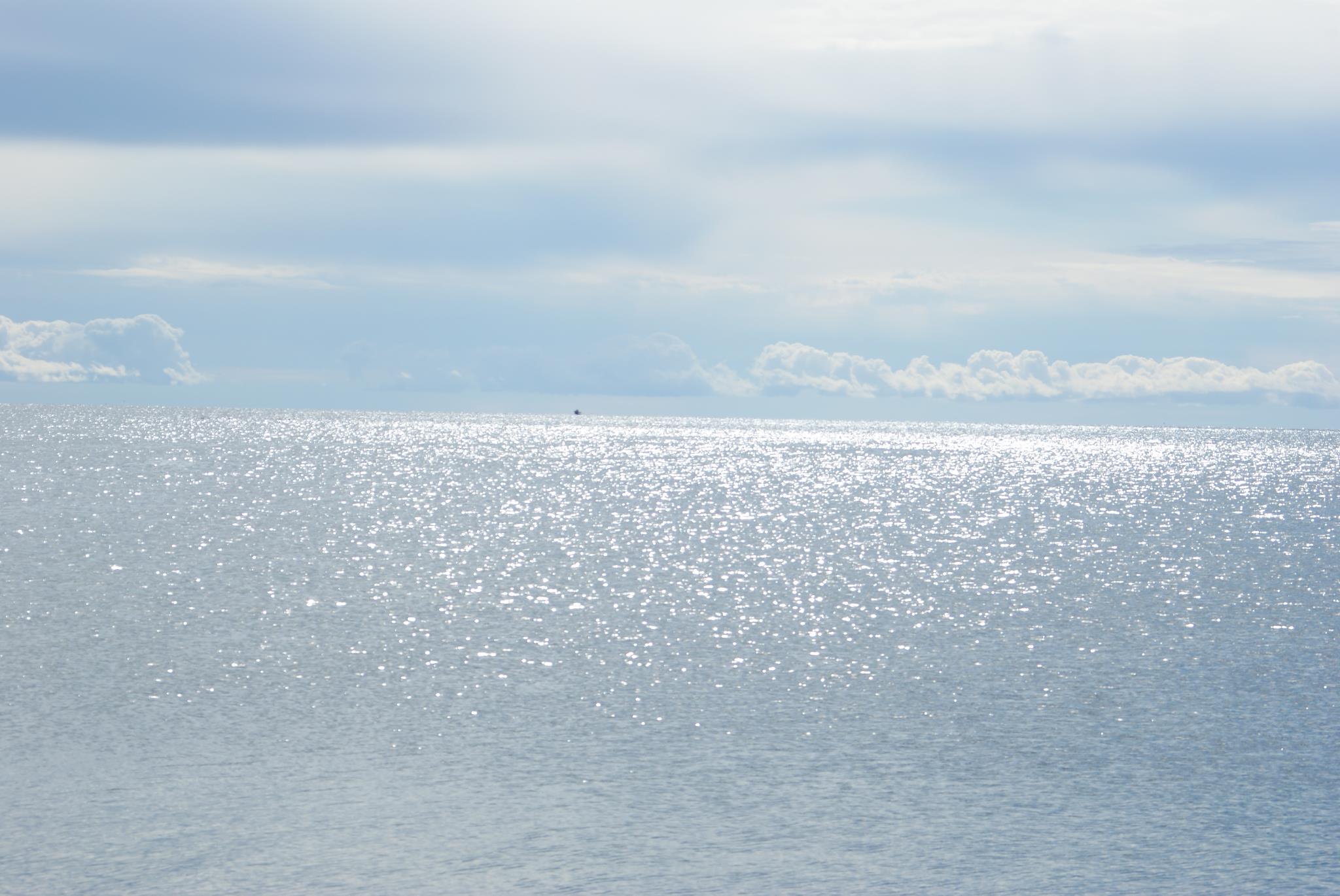
photograph by Sonja Bingen

This photograph was taken after the memorial for Kevin Michael Davis, organized by Sonja and Mary Wood, our daughters, was held at Newport Beach on the tip of Door County in Wisconsin, one of Kevin’s favorite places when he was a child and young adult. This beautiful place looks out on Lake Michigan and is filled with the sounds of birds and lapping of waves on sand and wet, black stones. Passing ships are often small dots on the distant horizon.

Sonnet 44

by Thomas Davis

To sum an individual life with words
is like endeavoring to touch a hand
through shadows on a wall. Like falling sand
words flow around our substance; sounds unheard
dance symphonies of brilliant mockingbirds
into an absence; moments fade into a fairyland.

Our son was loved; he loved; he made a mark
in web design, fought deep depression, wrote
some poems and essays, loved to walk the dark,
taught everyone around him, wore a coat
of many-colors from the spirit of his heart,
and blessed his father, mother as he taught

us courage as he faced life torn apart.
His death left us bereft, alone, distraught.

20 Comments

Filed under Art, Photography, Poetry, Thomas Davis

Gangs

by Ethel Mortenson Davis

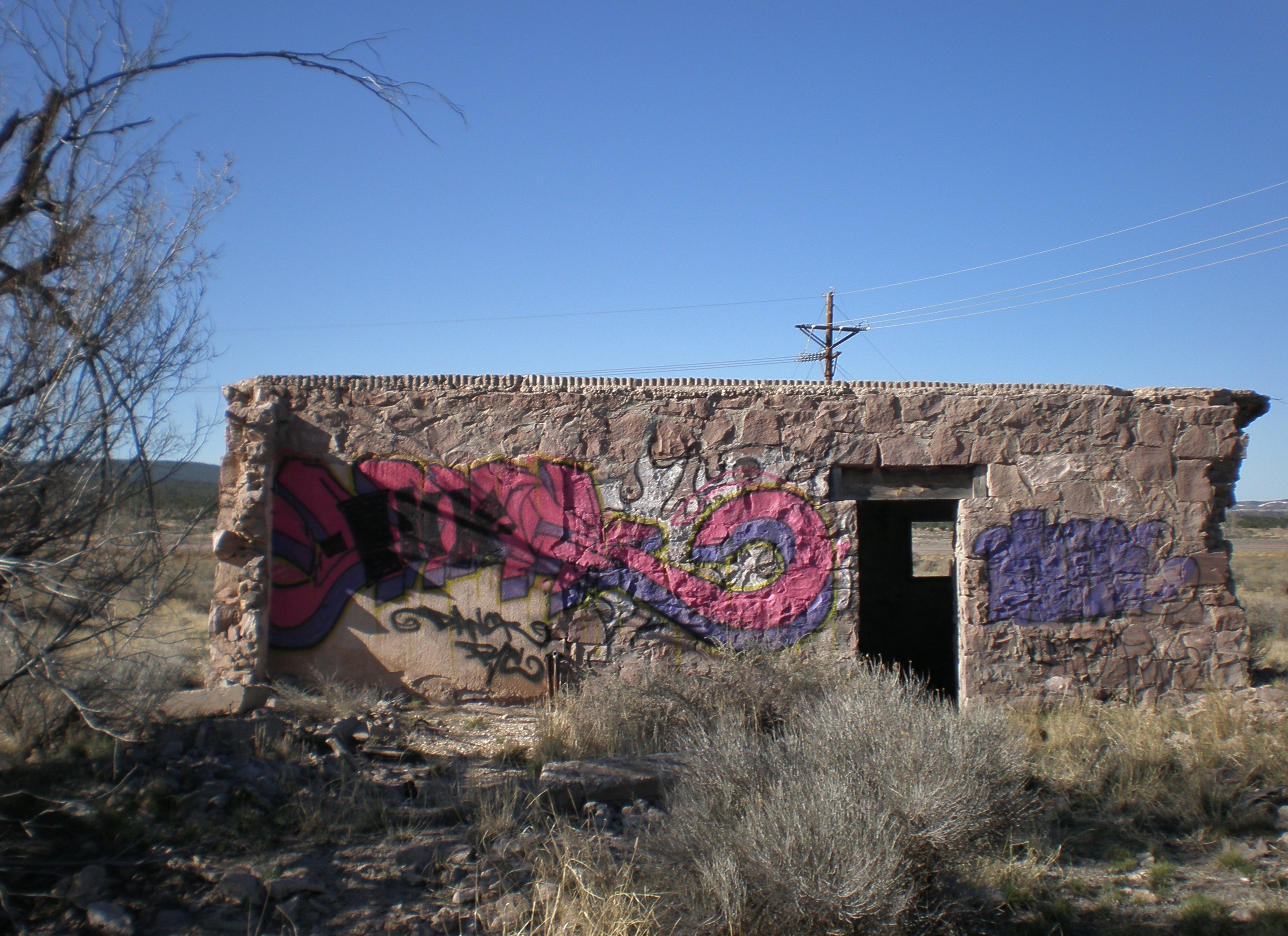
The local people say,
don’t walk out in the wilderness
unless you carry a gun,
because of large predators
and wild dogs—

dogs turned loose
in the desert, abused and neglected.
Now in the hundreds of thousands,
they pack up
to find food and survive.
They kill elk and cattle,
and people—
a man in his fifties.

Children abused
And neglected
join gangs in order to survive.
In order to live—
they kill people.

15 Comments

Filed under Ethel Mortenson Davis, Photography, Poetry

13. The Substance of Light

by Thomas Davis

The frost upon the window melted, Wei
Stared out at evening skies and watched as dragons
Launched flight from caves in numbers greater than
She’d ever seen before, their colored scales
Dramatic in the sunset’s streaming fires.
She wondered what was wrong. They all seemed stressed,
As if they had to flee their underground.
She watched to see the golden dragon’s scales,
But if she flew, she flew outside Wei’s sight.
She watched until the shadows brought the night,
Then went to sit beside the fireplace fire.

In front of warmth brought by the cheerful flames
She felt half dazed, as if the day’s events
Had been too much, and now she wanted rest.
She looked down at her fingers, made a bar
Of light stream out into the darkness, held
It in the air until it looked as if
It was a substance rather than a stream of light.
She smiled, then stopped the motion made to make
The light. The light fell down and clinked on stone.
Her mind was suddenly awake; a chill
Made hair behind her neck stand up and tremble.
The bar was fading on the floor, the light
Bleached out, its substance round and strangely long,
As if its substance was not made on earth.

She put her legs beneath her, stretched her hand
Toward the substance made from light she’d made,
And gingerly, as if it might be hot,
Touched light congealed into a strange, long rod.
The rod was warm and seemed to still contain
A memory of light that it had been.
She sat back, saw the golden dragon’s eyes
Stare as it flew so close above her head.
She felt the darkness shift, as if her time
Was not the time where she was at inside
The cottage built below the dragon caves.

She made another stream of steady light
And welded it into the rod she’d made,
And then she made another rod until
She had a rabbit cage designed to capture
The meal she had not had for much too long.

She looked toward her mother’s empty bed
And saw her mother faintly in the dark.
Behind her mother, coaching her, his hands
So large they seemed as if they had the strength
To hold the world, her father, dead so long
She only had the vaguest memory
Of what his face had looked like during life,
Was pantomiming every move her mother
Was making as she sent the moves to Wei.

Wei gasped. Her mother looked into her eyes,
Smiled sadly, let the dark intensify,
And left the room to emptiness and night.
Wei felt as if she’d never move again.
She glanced toward the rabbit trap she’d made.
Her mother, from her grave, had made her daughter
As powerful a witch as ever lived.
She felt the song she’d sing to bring the rabbits
To where they’d find themselves inside her trap.

She felt so restless that she rose and walked
To where the window looked into the night.
Outside she saw the flames of dragon breath
Light up the darkness like the fireflies did
On summer nights. A dragon knew no fear.
Their largeness dwarfed the strength that humans had.
What madness made them fireflies in the dark?

She moved her hands, her eyes intent on where
She’d seen her father and her mother’s forms.
She concentrated on the golden dragon’s scales
And let her fingers shoot light through the air.
A golden scale, as hard as iron, suspended air,
Burned with a light so bright it blinded Wei.
She brought the scale onto her arm, singed flesh,
The smell and pain tears running down her face.
She felt so strange she thought she heard the stars
Sing songs of dragon fire into the night.
Her tingling arm felt like it was not her,
But separate, more dragon than a girl.

The light stopped flowing, made her gasp;
She slumped down to the floor, her consciousness
A dream she’d conjured from her mother’s grave.

Audio of The Substance of LightVN800015

Note: This is the thirteenth installment of a long poem. Inspired by John Keats’ long narrative poem, Lamia, it tells a story set in ancient times when dragons and humans were at peace. Click on the numbers below to reach other sections, or go to the Categories box to the right under The Dragon Epic. Click on 1 to go to the beginning and read forward. Go to 12 to read the section before this one. Go to 14 to read the next section.

16 Comments

Filed under Poetry, The Dragon Epic, Thomas Davis

Flying

by Ethel Mortenson Davis

For Li Po

In the spring
I think about
water and flying,
clear water running
over moss-covered stones.

Poets are forever,
banished from
the village,
cut loose
in order
to wander
the desert,
to fly just barely above
the juniper and salt brush.

13 Comments

Filed under Ethel Mortenson Davis, Poetry

Sonnet 43

by Thomas Davis

Grief leaps from cracks and corners, as I walk
or sit beside our window looking out
toward the mountains, like a fierce-eyed hawk
that slashes from the sky and grabs a trout
that flips and struggles as sharp talons snuff
light out of day, the beating from the heart.

Grief seizes life grown wearisome and tough
beyond all hope that might one day jumpstart
time’s stream and let the sunlight filter down
into the shadows, wakening the joys
that often went unnoticed as I walked on ground
made blessed by my wife, girls, precious boy.

The gray miasma leaps from corners, cracks.
I startle as the sun turns dark, then black.

Note: There are two more sonnets in the sequence I have been posting for months now. Most of the sonnets were written while Ethel’s and my son, Kevin Michael Davis, was in the hospital or at home under hospice care. These last sonnets were written shortly after his death a little over a year ago.

14 Comments

Filed under Poetry, Thomas Davis

The Dance

a photograph and poem by Ethel Mortenson Davis

There is a dance
the bee makes
when it has found food.
It dances in the hive
with all the other bees
looking on
until each one
understands the dance
and knows where to fly–

unlike the astronauts
who came around
from the dark side
of the moon
and saw (for the first time)
what the earth looked like,
new and bright
and more beautiful
than we could have imagined–
a blue-green jewel
shrouded in white clouds.

They wanted to tell us
the best thing
about going into space
was the earth itself.

They wanted to do
the dance for us,
but we could not
get the sense of it.
We could not imitate
the dance.

The Dance copyright © I Sleep Between the Moons of New Mexico, 2010.

17 Comments

Filed under Art, Ethel Mortenson Davis, Photography, Poetry

Northwest Indian Mask — Poem: The Haida

a pastel and poem by Ethel Mortenson Davis

The Haida

The Haida left
the Northwest to come
to the Chicago Field Museum
to bring home their ancestors;

They were gone
for over one-hundred years,
stolen from a village
and put into drawers.

The Haida made button blankets
and round-cornered cedar boxes
painted in their rich
black and red symbols
in which they would place
their family remains
and bring them peace.

The Haida asked
the Chicago Field Museum
if they would also return
their family totems
and masks and other artifacts.

The Museum said,
“We’ll think about it.”

The Haida copyright © I Sleep Between the Moons of New Mexico, 2010.

14 Comments

Filed under Art, Art by Ethel Mortenson Davis, Ethel Mortenson Davis, Poetry

12. Weaving and Dragon Song

by Thomas Davis

Ruanne sat by the small triangle window,
The morning light a comfort past the storm.
She pumped the small wood loom and fed the strands
Of hair from mountain sheep into the shuttle,
Her hands in constant rhythm as she wove
Each row of heavy cloth into a rug
That metamorphosed howling winds and clouds.

She tried to concentrate upon the wisdom
Of Selen who, upon her loom, had woven
The weaving of a man and woman’s flesh
So human love could populate the world,
But all her efforts skittered like the beads
Of bear grease on a blazing, black iron pan.
Thoughts turned to images: Ruarther caught
By madness, storming from her life to wilderness,
Snow fields a glittering in morning light.

A knocking broke into her reverie.
She deftly tied the weaving so the row
Of gray and blue would stay in place for later,
Got up, and greeted Reestor at the door.
The old man looked pale, weary in the light,
His deep eyes ringed below white eyebrows sweeping
Toward white hair that covered half his forehead.
She smiled and stood aside to let him stomp
Into the cottage, cold around him biting
Into the room warm from the morning fire.

“You’re early for your rounds,” she said, her sadness
Surprising her inside her too soft voice.

Inside his heavy coat he looked more like
A bear than just a man, she thought. A wildness clung
To all the men who hunted for the game
That let the village live through winter storms.
She wondered if she ought to leave her cottage
And make the journey to the nearest town.
Ruarther was the one who’d kept her here.

But now? She smiled as Reestor growled as if
He truly was a bear. He shrugged his coat
Off shoulders strengthened by the years he’d spent
Outdoors before they’d made him village leader.
He walked toward the fire, put out his hands,
Then turned to look into her dark green eyes.

“I saw my father and my brother die,” he said.
“I didn’t live here then. I moved here later–
When Mother couldn’t stand the thought of Breenan.
Two dragons came upon the town all fire.
You seldom saw more than a single dragon then.
My father took his great long bow and hit
The older dragon, Pphhitin, in his one good eye.
The younger, Mmirimann, went wild
His breath so hot it fired the town’s wood roofs;
His claws sent dozens to their early graves.

“The great green brute not only burned our house,
But Mmirimann flung down upon my father,
The dragon killer, scorching flesh with fire.
He left the body black as smoky quartz,
So burned light seemed translucent through
The skull left bare without a shred of flesh.
The smell still visits me at night sometimes.
My brother tried to drive a metal spear
In Mmirimann, but didn’t have the strength.
The dragon swatted him away and speared
A broken rib into his young man’s heart.”

Ruanne stood silent, waiting. Reeston looked
At memories he’d long ago suppressed.
He suddenly looked up into her eyes.

“I don’t like kings,” he said. “The rich men live
Rich lives while those of us who find survival
In places where the rich would never live
Develop bonds much stronger than privation,
But Clayton’s Peace has given us good lives.
No human, or a dragon’s, died from war
For nearly all the years I’ve lived. But now…”

Ruanne still did not speak, but waited, spirit
So taut it seemed as if she ought to scream.

“We see more dragons in the sky each year,”
He said at last. “They have evolved, and we
Are still the humans that we’ve always been.
Ruarther’s craziness will stir their hearts
And bring about rage we have never faced.”

Ruanne let out the breath she’d held too long.
She shook her head. “I know,” she said. “But what?”
She paused. “The witch’s daughter shouldn’t die.
The children in the village shouldn’t face
The rage of dragon fire and raking claws.”

Determined, Reestor looked at her. “You know
The Dragon Songs,” he said. “You’ve heard them sung
Inside your head. You have to let them know
Ruarther’s left our village, lost his mind…”

“I’ve never said I hear the songs,” Ruanne said softly.

“I see it in your eyes, the way you shine inside,”
The old man said. “I’ve lived too long a life.
I hardly sleep, but still, you’re like the witch’s child.”

His words struck like a blow. She was a witch?

“Ruarther’s left me all alone,” Ruanne said.
“I’ve loved him since we both were children… babes…”

“He’s gone, Ruanne. You’ve got to let him go.”

“I’ve never spoken to a dragon, never…
They’ll never answer me… they’ll never hear…”

“You’ve got to try. The children don’t deserve
To die because Ruarther caused a war
That humans cannot hope to ever win.”

Ruanne escaped from Reestor’s burning eyes
And looked at where she’d sat upon the loom.
She shook her head. What could she really do?
She said a silent prayer to sagacious Selen.
She’d always forced the dragon’s songs away.
She was her mother’s child, not witch’s sister.
She’d known the mountain witch, but never once
Felt like they had a bond of flesh or blood…
She looked at Reestor, panic in her eyes.
She talked to dragons, villagers would drive
Her into wilderness, hate’s refugee.

The village children couldn’t die, not if
She had abilities that might protect them.
The old man looked past eyes into her heart.

Audio of Weaving and Dragon Song

Note: This is the twelfth installment of a long poem. Inspired by John Keats’ long narrative poem, Lamia, it tells a story set in ancient times when dragons and humans were at peace. Click on the numbers to reach other sections, or go to the Categories box to the right under The Dragon Epic. Click on 1 to go to the beginning and read forward. Go to 11 to read the section before this one. Click1 13 to go forward to the next section.

10 Comments

Filed under Poetry, The Dragon Epic, Thomas Davis