Category Archives: Thomas Davis

Sonnet 43

by Thomas Davis

Grief leaps from cracks and corners, as I walk
or sit beside our window looking out
toward the mountains, like a fierce-eyed hawk
that slashes from the sky and grabs a trout
that flips and struggles as sharp talons snuff
light out of day, the beating from the heart.

Grief seizes life grown wearisome and tough
beyond all hope that might one day jumpstart
time’s stream and let the sunlight filter down
into the shadows, wakening the joys
that often went unnoticed as I walked on ground
made blessed by my wife, girls, precious boy.

The gray miasma leaps from corners, cracks.
I startle as the sun turns dark, then black.

Note: There are two more sonnets in the sequence I have been posting for months now. Most of the sonnets were written while Ethel’s and my son, Kevin Michael Davis, was in the hospital or at home under hospice care. These last sonnets were written shortly after his death a little over a year ago.

14 Comments

Filed under Poetry, Thomas Davis

12. Weaving and Dragon Song

by Thomas Davis

Ruanne sat by the small triangle window,
The morning light a comfort past the storm.
She pumped the small wood loom and fed the strands
Of hair from mountain sheep into the shuttle,
Her hands in constant rhythm as she wove
Each row of heavy cloth into a rug
That metamorphosed howling winds and clouds.

She tried to concentrate upon the wisdom
Of Selen who, upon her loom, had woven
The weaving of a man and woman’s flesh
So human love could populate the world,
But all her efforts skittered like the beads
Of bear grease on a blazing, black iron pan.
Thoughts turned to images: Ruarther caught
By madness, storming from her life to wilderness,
Snow fields a glittering in morning light.

A knocking broke into her reverie.
She deftly tied the weaving so the row
Of gray and blue would stay in place for later,
Got up, and greeted Reestor at the door.
The old man looked pale, weary in the light,
His deep eyes ringed below white eyebrows sweeping
Toward white hair that covered half his forehead.
She smiled and stood aside to let him stomp
Into the cottage, cold around him biting
Into the room warm from the morning fire.

“You’re early for your rounds,” she said, her sadness
Surprising her inside her too soft voice.

Inside his heavy coat he looked more like
A bear than just a man, she thought. A wildness clung
To all the men who hunted for the game
That let the village live through winter storms.
She wondered if she ought to leave her cottage
And make the journey to the nearest town.
Ruarther was the one who’d kept her here.

But now? She smiled as Reestor growled as if
He truly was a bear. He shrugged his coat
Off shoulders strengthened by the years he’d spent
Outdoors before they’d made him village leader.
He walked toward the fire, put out his hands,
Then turned to look into her dark green eyes.

“I saw my father and my brother die,” he said.
“I didn’t live here then. I moved here later–
When Mother couldn’t stand the thought of Breenan.
Two dragons came upon the town all fire.
You seldom saw more than a single dragon then.
My father took his great long bow and hit
The older dragon, Pphhitin, in his one good eye.
The younger, Mmirimann, went wild
His breath so hot it fired the town’s wood roofs;
His claws sent dozens to their early graves.

“The great green brute not only burned our house,
But Mmirimann flung down upon my father,
The dragon killer, scorching flesh with fire.
He left the body black as smoky quartz,
So burned light seemed translucent through
The skull left bare without a shred of flesh.
The smell still visits me at night sometimes.
My brother tried to drive a metal spear
In Mmirimann, but didn’t have the strength.
The dragon swatted him away and speared
A broken rib into his young man’s heart.”

Ruanne stood silent, waiting. Reeston looked
At memories he’d long ago suppressed.
He suddenly looked up into her eyes.

“I don’t like kings,” he said. “The rich men live
Rich lives while those of us who find survival
In places where the rich would never live
Develop bonds much stronger than privation,
But Clayton’s Peace has given us good lives.
No human, or a dragon’s, died from war
For nearly all the years I’ve lived. But now…”

Ruanne still did not speak, but waited, spirit
So taut it seemed as if she ought to scream.

“We see more dragons in the sky each year,”
He said at last. “They have evolved, and we
Are still the humans that we’ve always been.
Ruarther’s craziness will stir their hearts
And bring about rage we have never faced.”

Ruanne let out the breath she’d held too long.
She shook her head. “I know,” she said. “But what?”
She paused. “The witch’s daughter shouldn’t die.
The children in the village shouldn’t face
The rage of dragon fire and raking claws.”

Determined, Reestor looked at her. “You know
The Dragon Songs,” he said. “You’ve heard them sung
Inside your head. You have to let them know
Ruarther’s left our village, lost his mind…”

“I’ve never said I hear the songs,” Ruanne said softly.

“I see it in your eyes, the way you shine inside,”
The old man said. “I’ve lived too long a life.
I hardly sleep, but still, you’re like the witch’s child.”

His words struck like a blow. She was a witch?

“Ruarther’s left me all alone,” Ruanne said.
“I’ve loved him since we both were children… babes…”

“He’s gone, Ruanne. You’ve got to let him go.”

“I’ve never spoken to a dragon, never…
They’ll never answer me… they’ll never hear…”

“You’ve got to try. The children don’t deserve
To die because Ruarther caused a war
That humans cannot hope to ever win.”

Ruanne escaped from Reestor’s burning eyes
And looked at where she’d sat upon the loom.
She shook her head. What could she really do?
She said a silent prayer to sagacious Selen.
She’d always forced the dragon’s songs away.
She was her mother’s child, not witch’s sister.
She’d known the mountain witch, but never once
Felt like they had a bond of flesh or blood…
She looked at Reestor, panic in her eyes.
She talked to dragons, villagers would drive
Her into wilderness, hate’s refugee.

The village children couldn’t die, not if
She had abilities that might protect them.
The old man looked past eyes into her heart.

Audio of Weaving and Dragon Song

Note: This is the twelfth installment of a long poem. Inspired by John Keats’ long narrative poem, Lamia, it tells a story set in ancient times when dragons and humans were at peace. Click on the numbers to reach other sections, or go to the Categories box to the right under The Dragon Epic. Click on 1 to go to the beginning and read forward. Go to 11 to read the section before this one. Click1 13 to go forward to the next section.

10 Comments

Filed under Poetry, The Dragon Epic, Thomas Davis

Sonnet 42

by Thomas Davis

Back in New Mexico the monsoon rains
had turned the desert green. Massed sunflowers blazed
with purple bee balm in the fields, the stain
of colors so intense there was a praise
of living in the vibrancy exploding
across a landscape barren, dry, the earth
so sterile that the thought of burgeoning
into a garden seemed a cause for mirth.
We walked in beauty like the Navajo
and thought about our son and how his eyes
would never look again into the glow
of fields of flowers, see the flight of butterflies.

The moment that that thought occurred to me,
I stopped. How can this be reality?

Note: This was written just days after our son’s death in Poughkeepsie, New York.

18 Comments

Filed under Poetry, Thomas Davis

11. The Dragon’s Conclave

Ssruanne’s claws touched the ledge. The summons came.
She did not hesitate, but walked toward
The tunnel that would lead into the mountain.
She felt the gathering that moved before
Her through the caverns, tunnels, endless caves.
The movement of the mountain dragons seemed
More powerful than any storm the world
Has borne throughout its endless history.

She blanked her mind from thought and dream.
She hardly saw the other dragons as she joined
Into a stream of colors walking through
The ghostly lights the young ones mined from veins
Of crystal near the mountain’s granite cliffs.
The thunderous noise of dragons walking through
The tunnel’s passageways hummed through her bones.
The young girl’s eyes kept flickering and shining
Inside her consciousness. It made no sense,
But in her blood she felt the young girl’s heart.

The dragons parted as she walked into the cavern,
The sea of necks and spines, the glittering of eyes
Electric as a thousand lightning bolts.
Mmlynn’s bright eyes watched as her mother walked
Into the storm of fear surrounding her
And flinched to see her mother’s absent eyes.
Her mother looked as if her nightly dreams
Had entered day and burned with unwilled fire.

Ssruanne walked up toward the round, black dais
Where nine huge elders sat, their whirling eyes
Upon her as she did not hesitate,
But climbed the nine huge steps to tower over
The conclave’s rumbling, restless energy.
Upon the dais she turned to dragons she
Had known from when she’d quaked inside her egg.
She was the oldest. Still, the nine had lived
Through years of war with humans, then the moment
When dragon isolation ended deep
Inside this cavern in the mountain’s heart.

Old Mmirimann looked deep into her eyes,
His dark green eyes a swirl of radiance.
He turned his head toward the dragon sea.
Ssruanne’s eyes swept toward the ceiling where
The spoils of other ages were embedded
In melted stone, then looked down at the silence
That had descended as bright dragon eyes
Stared in their thousands at the place she stood.
She felt the bristling of thought and fear inside
The minds behind the eyes, the wondering
That after all these years her dreams were powerful
Enough to bring them to this spirit place.

“You’ve dreamed. We’ve felt the prophecy of dreams,”
Old Mmirimann said, thundering in silence.

Dread rose like bile into Ssruanne, her hearts.
She felt the child inside the cavern, saw her hands
Weave light as if the light was more than light
As boundaries between the universes
That could not ever bridge were bridged and songs
Not of this world were echoed from the past
And future in repeating symphonies.
Her thoughts flowed out of her into the thoughts
Of every dragon there as long necks swayed
In rhythm to the storm her thoughts had made.
A moan rose from the gathered dragons strong
Enough to tremble rock inside the mountain.

Dismayed, Wwilliama, standing next to where
Old Mmirimann’s eyes whirled emotions dense
With fear into cavern’s echoing,
Cried out, “the human girl must die!” as males
Throughout the cavern roared assent and rage
The way Mmlynn had said they would the night
She’d forced Ssruanne to tell about her dreams.

The girl’s blood beat inside Ssruanne’s two hearts.
The girl won’t die, she said inside herself.
Her thought had power like the power burned
Into the light that flowed from young girl’s hands.
It cut into the rage and silenced it.
The nine old dragons looked at her, eyes shocked.
No one had ever silenced dragon rage
In all the ages dragons had existed.

“Your foolishness will bring about our doom.”
Ssruanne was shocked to hear her voice ring out
Outside the working of intent or will.
The voice of prophecy was in her words.
“New days are coming on all dragonkind.
The human girl is part of powers stronger
Than fire and claw. She will not, cannot die!”

The silence was intense, devouring thought.

“The males cannot accept your dreams,” Sshruunak,
The leader of the young males boomed into the silence,
His great voice raw and ugly in the cavern.
Black scales shined power from his whirling eyes.
His neck was rigid challenging Ssruanne.

“The girl is one of us,” the voice of prophecy
Said, slicing once again through strength and rage.

Sshruunak’s great head swayed, fear replacing rage.
He tried to speak, but could not speak, the geas
Of prophecy so powerful it shattered
His will and forced a silence in his hearts.
He forced his legs to move and bumped against
The male beside him, moving back toward
The tunnel that would let him find a ledge to leap
Into the air and stretch his reason into wings.

A movement vast as nightmares stirred throughout
The conclave, shattering community, the dragon
Society’s great unity a chaos
Of fragmentation, swirling individuals
Into the fears in ancient enmities.
The tunnels filled with dragons fleeing prophecy.

Dismay rose up into Ssruanne and echoed.
She felt the pain of times long past as steel
Brought death past scales to dragon flesh.

What was the human girl to her? she cried.
She was a dragon, not the mother of a child.

Audio of The Dragon’s Conclave

Note: This is the tenth installment of a long poem. Inspired by John Keats’ long narrative poem, Lamia, it tells a story set in ancient times when dragons and humans were at peace. Click on the numbers to reach other sections, or go to the Categories box to the right under The Dragon Epic. Click on 1 to go to the beginning and read forward. Click on 10 to go to the tenth section. Click 12 to go forward a section.

9 Comments

Filed under Poetry, The Dragon Epic, Thomas Davis

Sonnet 41

by Thomas Davis

We kissed his forehead, yellow, cold, inert,
sobbed our goodbyes, left his body, drove
to Poet’s Walk above the Hudson, hurt
beyond expression, where, on hills, small groves
of ancient trees are interspersed with fields,
a place where, Kevin said, he liked to go.

And as cremation’s fires consumed, annealed
his spirit to our spirits, as the glow
of July’s sun warmed flesh too numb to feel,
we walked where he had walked and tried to find
our balance in a world turned sad, unreal—
our son was gone, his smile, his wondrous mind.

And as we walked the wings of butterflies,
black mourning cloaks, danced through the summer skies.

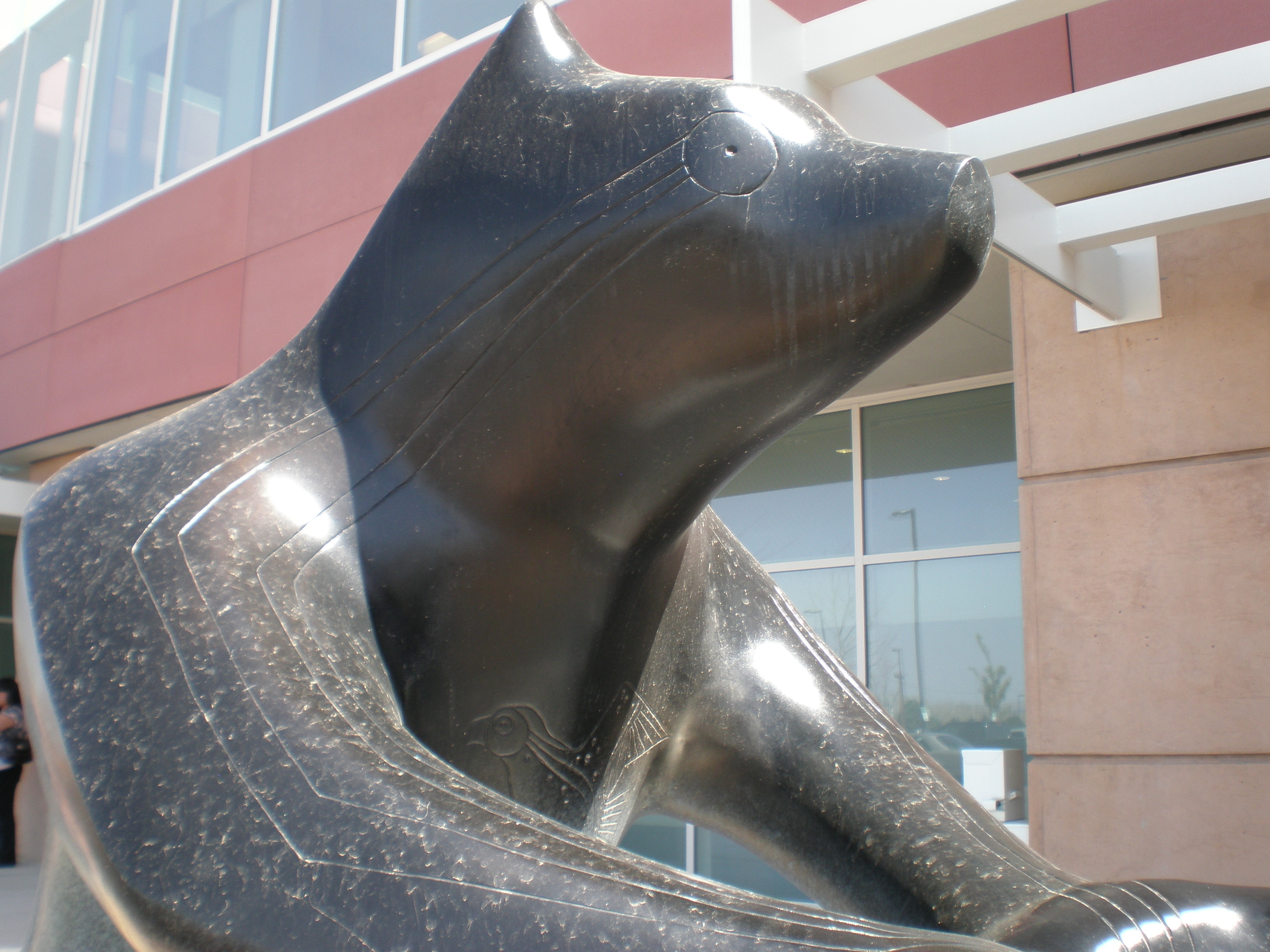
At the University of New Mexico Cancer Center in Albuquerque, where I am now being treated once a week, a healing bear greets patients as they enter the building. Marked with ancient symbols, shining black in the sun, Ethel and I stand before it every time we come to the Center. The major question in my mind at the moment, one that I cannot shake, is, why am I surviving my bout with bladder cancer while Kevin, only 28 years old, did not survive? I would have given him my life without a thought if he could still be present, thinking about butterflies that were such a constant, powerful symbol to him from the time he was a child to the day of his death when, as Ethel has written in a powerful poem not yet posted, a butterfly visited his hospital room so many stories up in the middle of the city. I understand there is no answer to such a question, and I am deeply grateful to have more years with Ethel, my children, and grandchildren, but both Ethel and I miss our son. This sonnet was written after our visit to Poet’s Walk Park on the Hudson River in New York. Ethel has also written about our experience there. After this moment we flew back home to New Mexico. Just over a year later we discovered my cancer. One of Ethel’s many photographs of the healing bear is below as a symbol of survival and strength in the face of devastating tribulation.

photograph by Ethel Mortenson Davis

31 Comments

Filed under Art, Essays, Ethel Mortenson Davis, Photography, Poetry, Thomas Davis

10. Not Just a Little Girl Alone

by Thomas Davis

I

The morning light spilled on the floor and woke
Wei from a dreamless sleep. She yawned and stretched,
Got up into the cold of early morning.
She built a fire to take the chill away,
Then fried potatoes on the stove before
She shrugged into her heavy coat and stood
Before the door, her heart-beat loud, her hands
So still they felt as if they’d never move.
She felt her mother’s hands move through the air.
She let her hands move like her mother’s hands.
Light jumped into the early morning light.
Outside a hissing sound steamed through the air.
Wei stopped the motions, pushed against the door.

A wall of snow confronted her beyond
The space her light had made around the door.
She started weaving hands again, the light
Streamed from her fingers in the frigid cold.
Snow turned to steam, a whiteness hissing up
Into the morning’s crystal clear blue sky.
She walked toward the wood pile, open ground
Materializing as she slowly walked.
She felt triumphant, filled with victory.
The storm was gone, and she could make a path
Through seven feet of hard packed, drifted snow.
She’d make it through the winter storms and cold.
She was not just a little girl alone.

II

The Old One, tired from lack of sleep, went out
Onto the ledge outside her cave and launched,
her wings alive to currents in the air,
Her eyes so deep with seeing that the universe
Throbbed, blazing morning light, around her head.

She flew above the cabin where the girl
Was steaming snow into the morning skies.
The sight of magic shining in the sun
Unsettled her; the girl unsettled her.

A moment later, higher in the sky,
She saw two hunters, with their snowshoes sunk
Into the sweeping plains of drifted snow,
Strain up the mountainside, the snow too deep
To let them make the three day trek to where
The human girl was gathering her wood.
They’d be at least a week at struggling
Up slopes that steepened rising into mountains.

What should she do? She asked herself, disquiet
a power in the steady beat of wings.
What madness had the girl brought to the world?

She swooped toward the hunters, forcing them
To see her hurtling from the shining skies.
The hunters stopped and looked at her, dismay
And fright stunned through the way they stood and looked.
The one she’d singed raised up his arm and fist.
She tipped her wings and soared toward the mountains.

She flew above the cottage where the girl
Was loaded down with heavy chunks of wood.
She swooped so low she had to swerve to miss
The cottage roof, her whirling, golden eyes
Locked deep into the girl’s small human eyes.

Wei did not flinch or turn her head away,
But looked into the Old One’s eyes, a question
Unsaid inside her look. Ssruanne soared high
Toward the mountain peaks again, toward
The places where the wind blew unabating
In fierce intensity and moaning rage.

III

Wei felt the dragon’s wings before she saw
The eyes that coldly bored into her mind.
She felt intelligence inside the glare
And felt the dragon searching deep inside
Wei’s heart. She stood and watched the golden dragon
Fly up toward the mountains high above
The peaks that towered over where Wei lived.
She fought to memorize the dragon’s shape
And how it felt inside its golden eyes.

IV

Inside the moaning winds the Old One sent her thoughts
Toward the human girl. Run child, she thought.
The hunter has his cunning and his bow.
The dragons have no love for human kind.
Child, run and hide, she thought. From all of us.

Audio: Not Just a Little Girl Alone

Note: This is the tenth installment of a long poem. Inspired by John Keats’ long narrative poem, Lamia, it tells a story set in ancient times when dragons and humans were at peace. Click on the numbers to reach other sections, or go to the Categories box to the right under The Dragon Epic. Click on 1 to go to the beginning and read forward. Click on 9 to read the ninth section of the poem. Click on 11 to go forward one section.

10 Comments

Filed under Poetry, The Dragon Epic, Thomas Davis

Sonnet 40

by Thomas Davis

The doctor, looking down at him, her voice
as soft as early springtime rains: “I hate
how cancer takes a person, steals their choice,
and makes inevitable their certain fate.”
She paused, a stranger. Then she shook her head.
“He was extraordinary. You can tell.”
She gently touched his clutched-tight hand, the bed…

“He asks the nurses how they are. The hell
he’s going through, he wants to know if they’re okay.”
She sighs and looks at Ethel, then at me.
“This ward is tough. Old cancer never plays,
but does his business, never lets us plea

for mercy.” Silence. “Fighting him is hard.
He leaves us memories, our lives in shards.”

25 Comments

Filed under Poetry, Thomas Davis

9. Ruarther’s Threat

by Thomas Davis

As Reestor glared at him, Ruarther felt
As if he’d turned to stone, his spirit hard
And eyes as cold as when the wall of ice
Had overtaken him inside the field.

“We’ve been at peace with dragons much too long
To start a war with them,” the old man said.
“You’re dreaming’s not enough to have them fly
Above us as their breaths chars all we love.”

“It was no dream,” Ruarther growled, his temper blazing.
“The dragon singed me with her stream of fire!
We have to kill the witches’ girl, or else
The world will change in ways that weird us all!”

Ruanne, disoriented, looked at her only love.
He’d kill the child? She’d dreamed of having children
Since childhood, playing with her handmade dolls.
What child had powers strong enough to cause
Grown men to quail before their unlived lives?
She tried to see inside Ruather’s rage
And understand what fear was driving him.
A hundred times she’d thought she’d earned his love,
But every time he’d danced away from her.

“Why do you meld the dragon with the child?”
A stubborn Reestor asked, eyes fixed on rage.
The man was weak yet, still affected by
The storm he’d barely made it through to home.

Around them half the village stood inside
The hall, the argument a bane when winter
Was harsh enough to threaten all of them
If they could not depend on long-term braids
To knit their wills together as they strove
To live until the distant, longed-for spring.

“The dragon spoke about the child,” Ruarther spat.
“Why wouldn’t they be linked? She spoke of her.
If not from spelling by the witch’s child,
Why would a dragon speak again to men?”

Old Molly grasped Ruanne’s slim hand and hissed.
“You’re young, young man,” she said. “Your blood runs hot
Or else you would have known what good is yours.
You’re foolish. In the past we fought the dragons,
And many died, but then the dragons seldom
Attacked unless they were alone, but now
They have communities just like this place.
If stirred, they’ll come together in a pack.”

Ruanne felt like she ought to scream the swirl
Of roiling feelings trapped inside her chest.

“The storm is done,” Ruarther said. “I’ll go.
It doesn’t matter what the village thinks.
I see the danger rising in a cloud,
and like I’ve brought back game when others failed,
I’ll save the village from temerity.
The weirding’s got to stop. The girl is dead.”

Ruanne heard children screeching in the snow.
The storm was over. Now they’d laugh and sing
As if the awful winds and cold had never been.
Inside her mind she felt the dragons flying
In multi-colored packs, an endless stream
Of fire and deadly claws out of their caves.

“I’m leader still. Not you, not yet. You won’t
Go up the mountain,” Reestor said. “We need
More meat. The hunters have to hunt for game.”

Ruarther glared at him. He glanced at Brand.
The hunter looked away as if he heard
His young ones as they worked to dig a path
Between the cottages through feet of snow.
At last Brand looked into Ruarther’s eyes.

“No hunter has your strength or skill,” he said.
“You need to throw your madness out and be
The leader that you’ve always been for us.”

“Nobody understands,” Ruarther said,
His bitterness a rancor in his voice.
“Nobody felt the heat of dragon flame.”
He turned and looked toward the hall’s great door.
He looked at Reestor. “I have always done
What’s good for all of us,” he said. “I’m certain
Deep down that what I’m doing’s for the best.”

Before the men around him moved, he strode
Toward the door, his face implacable.

Ruanne took flight outside her thoughts, her feelings
As raw as skin upon the head of children
Brought out into the light outside the womb.

“You’re wrong,” she heard herself say, voice as sharp
As sharpened knives. “You cannot kill the child!
To kill a child forever marks the soul
With blackness stained into an evil life.”

Ruarther stopped and looked into her panicked eyes.

“I’ll love you all my life,” he said, voice loud.

He turned, picked up his bow, plowed through the snow
Toward the stone wall built around the village.
Inside the hall a hunter, Cragdon, startled,
Then left the hall to join Ruarther’s rage.
His young wife grabbed at him, missed, wailed with fear.
The young man did not stop or even pause.

Audio of Ruarther’s Threat

Note: This is the eighth installment of a long poem. Inspired by John Keats’ long narrative poem, Lamia, it tells a story set in ancient times when dragons and humans were at peace. Click on the numbers to reach other sections, or go to the Categories box to the right under The Dragon Epic. Click on 1 to go to the beginning and read forward, 8 to read the installment before this one. Click on 10 to read the next section.

13 Comments

Filed under Poetry, The Dragon Epic, Thomas Davis, Uncategorized

Sonnet 38, Kevin Michael Davis, February 16, 1982 – July 23, 2010

by Thomas Davis

He died enveloped in his mother’s arms.
The two of them alone, she felt so tired
from lack of sleep, she thought about the charm
of closing eyes and drifting off, transpired
into a dream where waiting, dread, and love
were not commingled with each ragged breath
he took. But then his breathing changed. She shoved
herself out of her chair and smelled his death.
She put her arms around him as his eyes
flew open, glancing one last time at light,
and then his breathing stopped. The cloudy skies
leaked rain. Eyes stared without the gift of sight.

Her daughter said, she brought him to the earth,
her love the bridge between his death and birth.

27 Comments

Filed under Poetry, Thomas Davis

8. Shock and the Weirding of Boundaries

by Thomas Davis

Ssruann’s long neck jerked up into the air
And twisted to the cave’s night opening.
Outside the storm still raged and howled with winds.
She was awake, prophetic dreams had fled.
The human girl was watching as her mother
Used unseen lines between the waking world
And universes where the shadows swarmed,
In patterns sibilant with singing winds
That dragons, humans, spirit bears, and others
Who walked could not access with eyes or dreams,
To guide her daughter’s hands into the ways
Of power she had never known while breathing.
The daughter’s hands spewed webs of light.
A dance of heat ran through the webs and burned
Through cold and snow as if they’d never been,
Exposing ground beneath the piles of snow.

The Old One’s golden eyes expanded, whirled
While power flowed into the human girl.
It was a dragon’s power, power drawn
From blood more ancient than the blood of dragons
That lived inside community inside
The caves dug deep into the mountain’s heart.

Ssruann’s two hearts were beating with a force
That seemed to echo through the caves and tunnels
Where dragons waited out the storm so they
Could climb on ledges, launch into the air
To hunt for mountain goats and sheep and deer
Now hunkered down, protected from the storm.

Where did the power now inside the girl
Orginate? What did it mean? What force
Had mother’s love sent from the songs of death
Unleashed into the world of dragons, humans,
The seasons marking, marching, passing time?

A long, low wail lunged from the unseen peaks
Above the cave and rolled with fearsome winds
So filled with shards of ice it seemed as if
The mountain’s face would sheer away and leave
A grinning skull of gaping mountain bone
Into the valley where the human girl
Turned back toward the fire that threw its warmth
Into the cottage’s deep darkness, air
Alive with possibilities not known before.

Appalled, her pounding blood a double beat
That sang the history the dragon race
Had lived inside the shining web of time,
The Old One stared into the stormy darkness.
The human girl was linked to her, she thought.
Linked somehow deep inside her dragon blood.
What sorcery is this? She thought. She’d known
The mother, but had never thought too much
About the woman living in the valley
Below the dragon’s mountains and its caves.

But now? Her blood was boiling contradictions,
A moving tapestry of fear, hope, rage, delight,
A stream that made her feel sick from the strength
That surged and ebbed inside her pounding blood.

There were no walls between the universes
That never touched except in tiny whorls
That knitted all that was together, bound
By actuality, the mind of God.
The weirding of the storm and darkness raged
Inside the webs of light the young girl wove.
Ssruann, the Old One, stared and stared at where
Her cave led out into the storm and dark,
Her long neck rigid with a dragon’s fear.

Audio version of the poem: Shock and the Weirding of Boundaries

Note: This is the eighth installment of a long poem. Inspired by John Keats’ long narrative poem, Lamia, it tells a story set in ancient times when dragons and humans were at peace. Click on the numbers to reach other sections, or go to the Categories box to the right under The Dragon Epic. Click on 1 to go to the beginning and read forward, 7 to read the installment before this one. Click on 9 to read the next section.

7 Comments

Filed under Poetry, The Dragon Epic, Thomas Davis